Can Dry Eyes Cause Blurry Vision? Yes, Here's Why
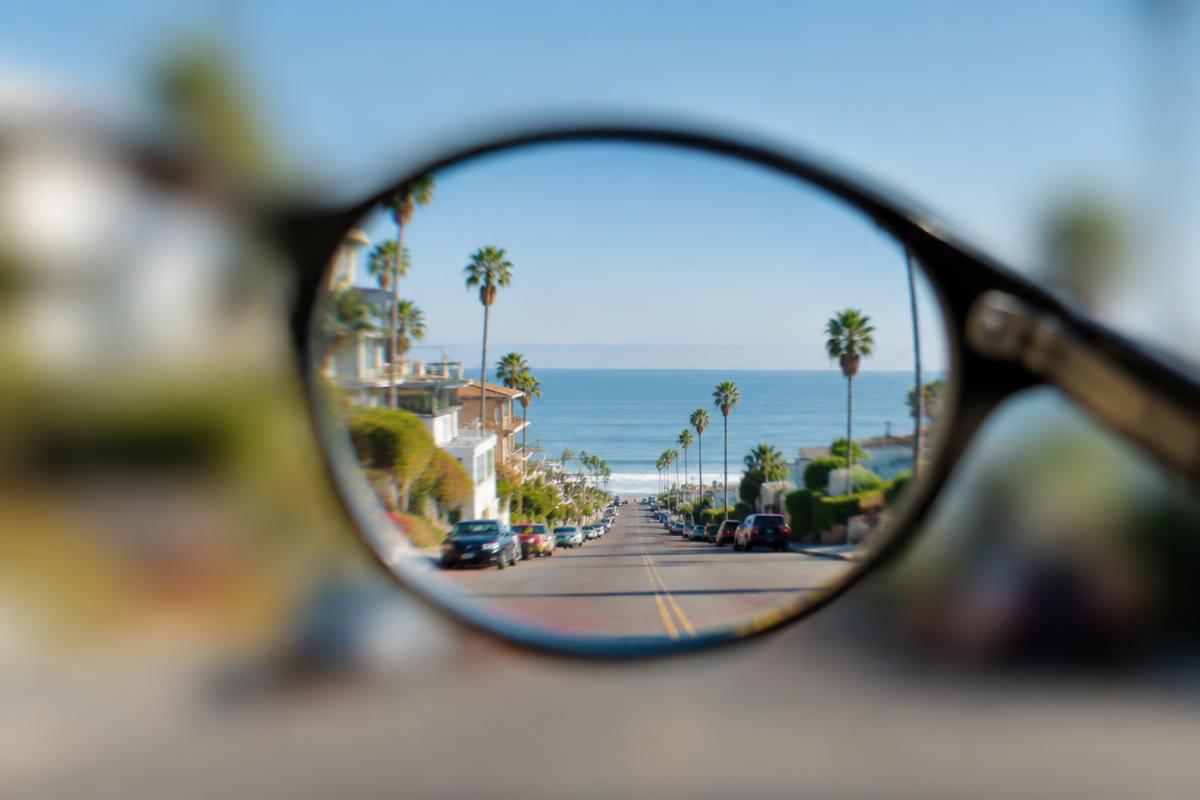
Patients often come in convinced their prescription changed, when the real problem is the tear film. Here's the connection.
Your tears are part of your optical system
The first surface light hits isn't the cornea. It's the thin layer of tears on top of it. When that layer is smooth, vision is crisp. When it breaks up into dry patches, light scatters and vision softens.
The blink test
The giveaway is blur that clears momentarily when you blink hard, then fades again after a few seconds. A true prescription change doesn't behave that way; it's constant.
Why it's worse later in the day
Hours of screen work, air conditioning, and wind progressively destabilize the tear film, which is why so many people see fine in the morning and struggle by 4 p.m.
What to do
Don't order new glasses based on end-of-day vision. Treating the dry eye often sharpens vision without any prescription change at all. If blur persists after treatment, then we refine the prescription with an accurate baseline.
The takeaway
Fluctuating vision is a symptom worth investigating. A short exam separates a tear film problem from a refractive one so you're not paying for lenses you don't need.
Time for an eye exam?
Bream Optometry serves Goleta & Santa Barbara — appointments available as soon as this week. Membership not required.