Glaucoma: The "Silent Thief of Sight" Explained
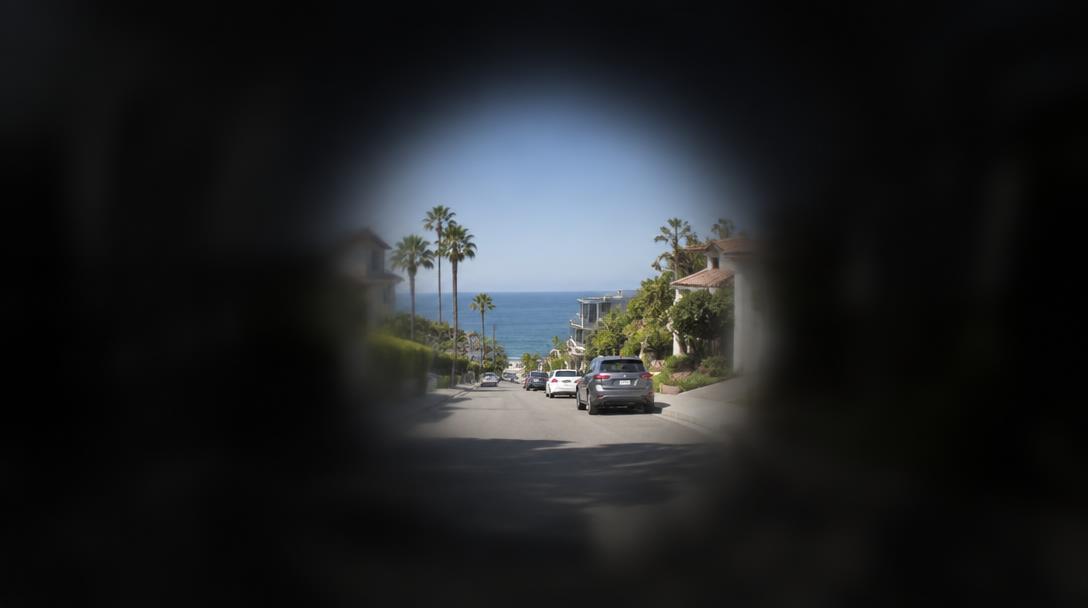
Glaucoma is a group of conditions that damage the optic nerve, usually in connection with pressure inside the eye. It's a leading cause of irreversible blindness, and its defining feature is that you can't feel it happening.
Why there are no early symptoms
Damage starts in the peripheral vision, and the brain fills in the gaps using the other eye. By the time a person notices a blind spot, significant nerve tissue is already lost, and lost nerve tissue does not come back.
Who's at higher risk
Age over 60, family history, African American or Hispanic heritage, diabetes, high eye pressure, thin corneas, and long-term steroid use all raise risk. Anyone with these factors should be examined annually without exception.
How we screen for it
Eye pressure measurement is only one piece. We also examine the optic nerve directly, use OCT imaging to measure nerve fiber layer thickness at near-microscopic resolution, and run visual field testing when indicated. OCT can detect thinning years before a visual field defect appears.
Treatment
Daily pressure-lowering drops are the mainstay and work well when used consistently. Laser procedures such as SLT and a range of surgical options are available when drops aren't enough. The goal is always the same: stop further loss.
The takeaway
Glaucoma is highly manageable when it's found early and almost impossible to reverse when it's found late. An annual comprehensive exam is the only reliable way to catch it.
Time for an eye exam?
Bream Optometry serves Goleta & Santa Barbara — appointments available as soon as this week. Membership not required.